








Difference...
It can be unsettling, curiosity-provoking, annoying, or downright scary. Reasons for different views, histories, values, or opinions may be obvious… Or are they? How can we better engage with our differences? Are there effective tools for engaging and resolving conflict?
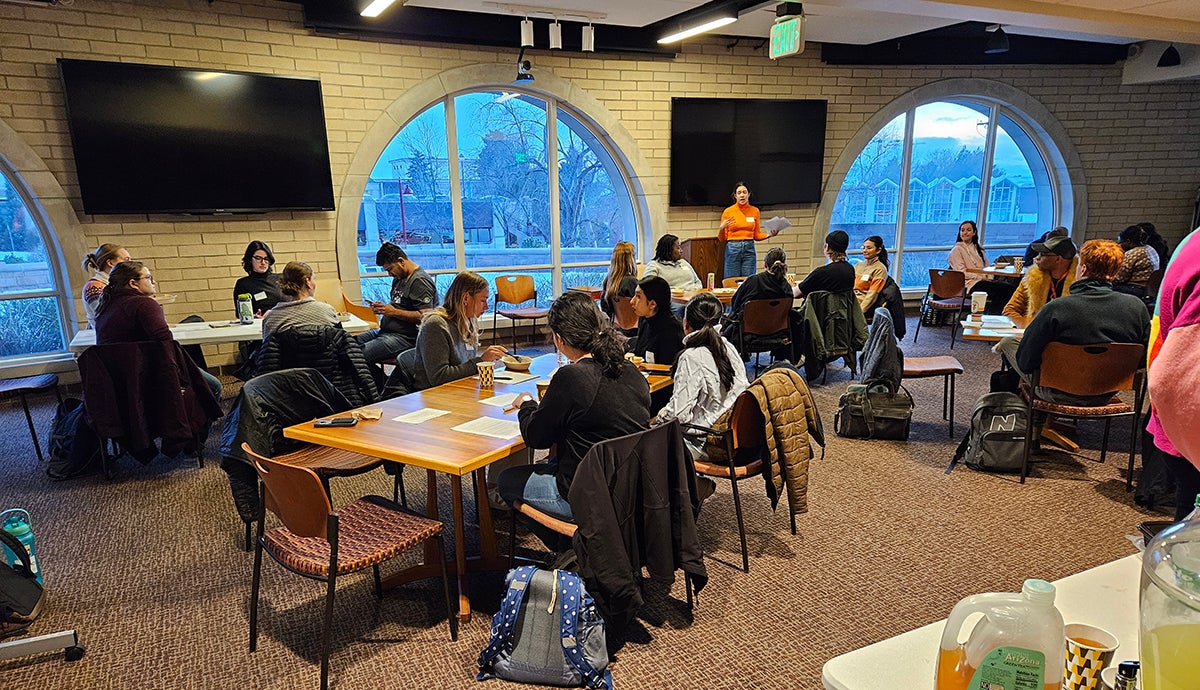
DU News Article About CERI
At the University of Denver, students participating in the Conflict Engagement and Resolution Initiative get a chance to share their views and values without fear of judgment or retribution.
Read Here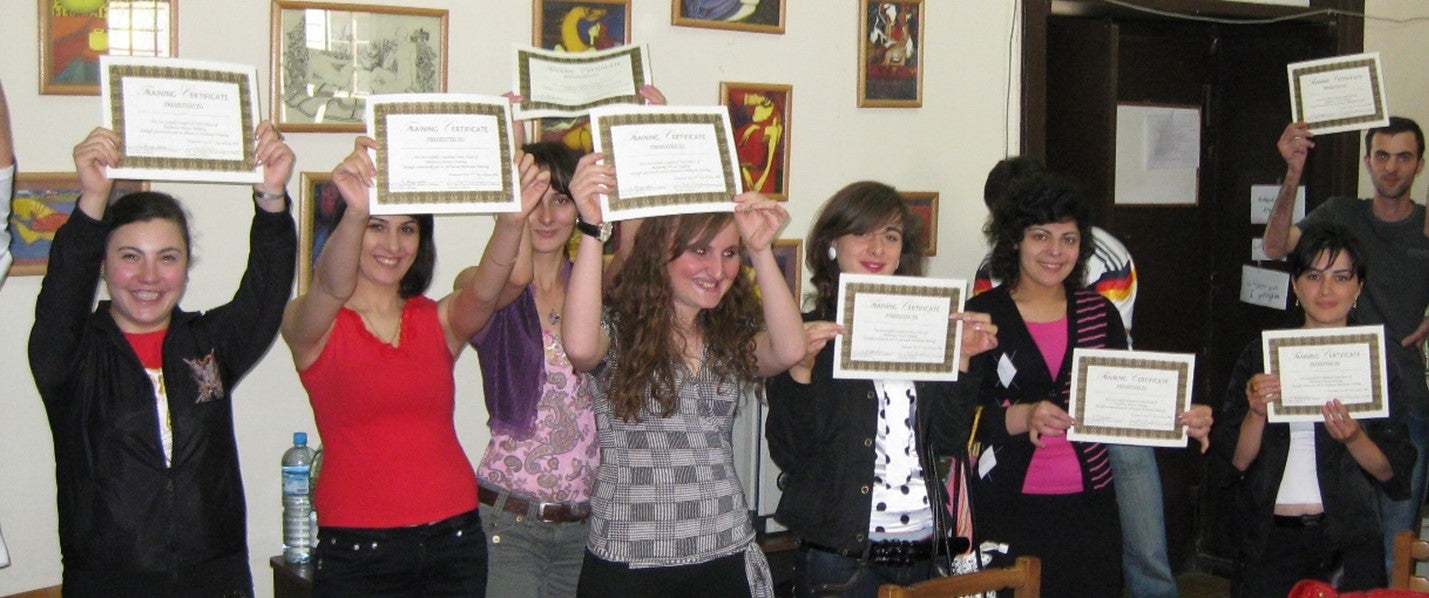
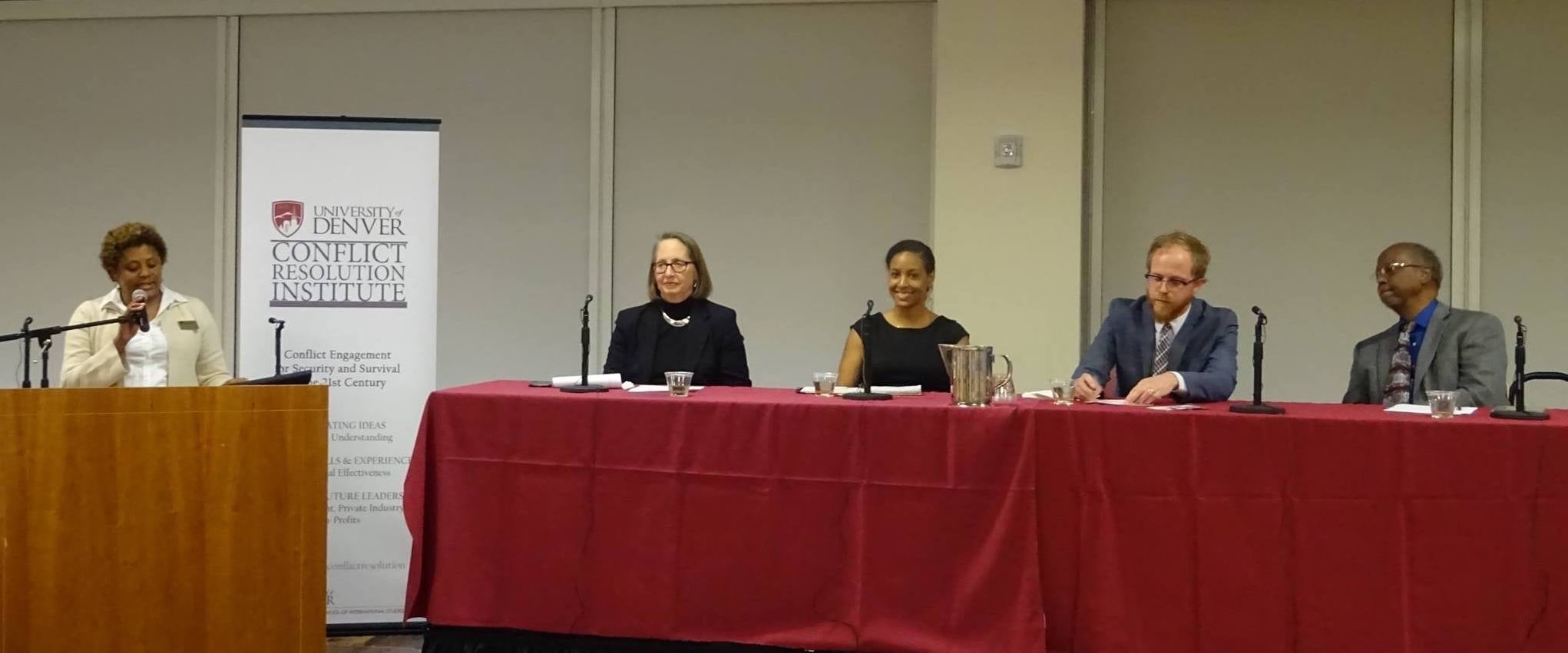
News & Events
Keep up with our latest developments and learn about upcoming and recent events.

About Us
Explore the history behind the Initiative, and meet the staff who make our work possible.
What We Do
Discover the training, tools and support that advance the Initiative's work and help build a safer, more functional world.

Research & Publications
The Conflict Engagement and Resolution Initiative collaborates with scholars and practitioners to engage in research that makes contributions to conflict resolution as a field and practice.
Conference Proceedings & Videos
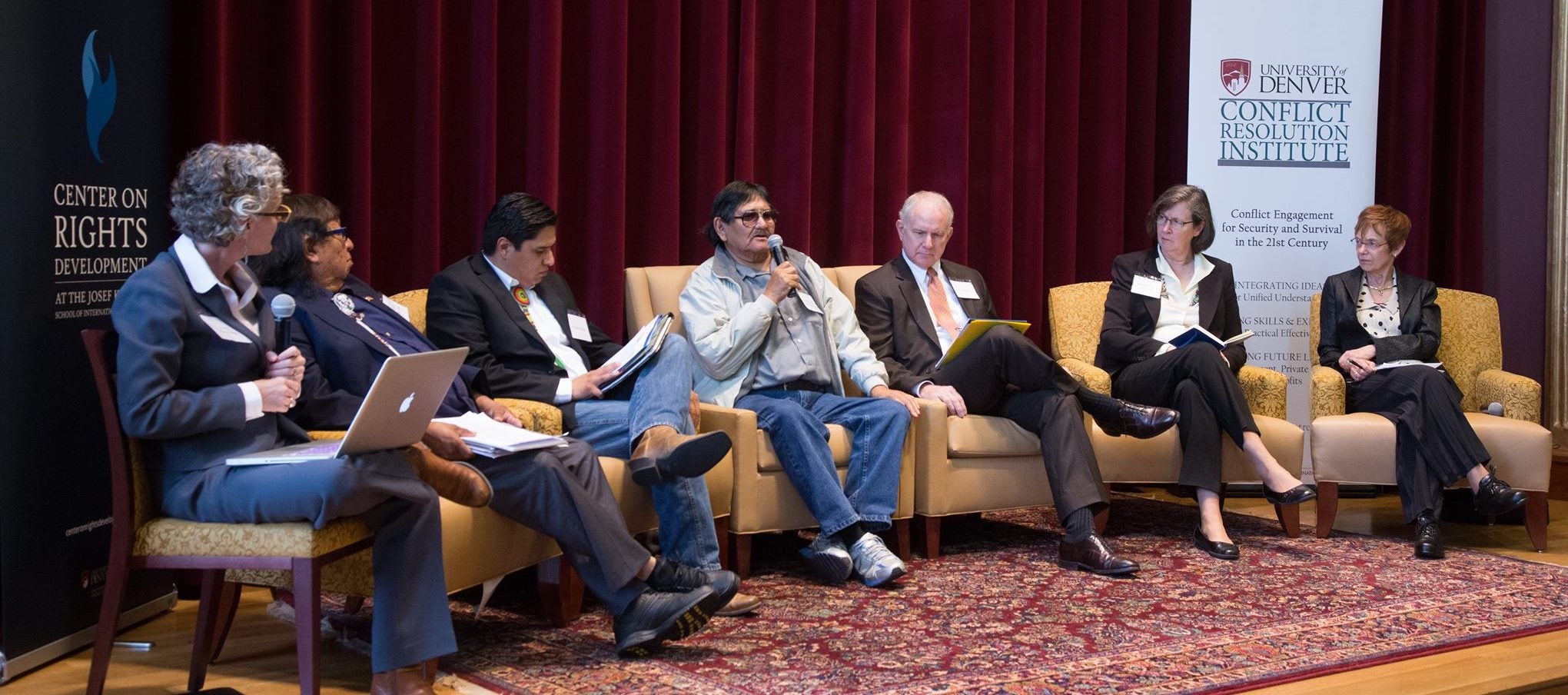
We've built our legacy on bringing students, scholars and practitioners of conflict resolution together for collaboration and innovation across disciplines.