







Sustainability at DU
At University of Denver, we create real change through a campus-wide commitment to sustainability and environmental responsibility. To us, sustainability involves taking a holistic look at environmental, economic, and social factors affecting our communities, the historical systems we are working to change, and creating a world where ecosystems and societies can thrive. It's about reducing energy, water, and material waste, lifting up and creating opportunity for marginalized communities, and building a framework that uses social justice as a lens through which we improve our environment.
Sustainability News



About Sustainability at DU
Discover how years of work have made DU a leader in sustainability among institutions of higher learning.

Our Sustainability Efforts
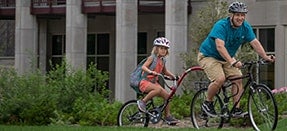
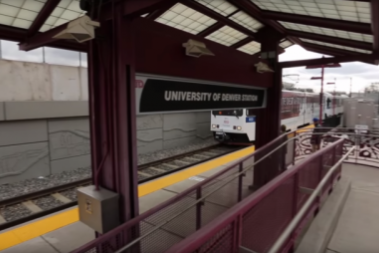
For years, the University of Denver has worked to establish sustainable practices on campus, from retrofitting our buildings for increased efficiency to building partnerships that help provide environmentally responsible options in dining, residential life, and campus mobility. We’ve worked to build programs that make living a sustainable life easier and more accessible, regardless of background or resources. Learn how we're making progress across silos, barriers, and scientific fields to support a more positive outlook for the future.

Teaching Sustainability
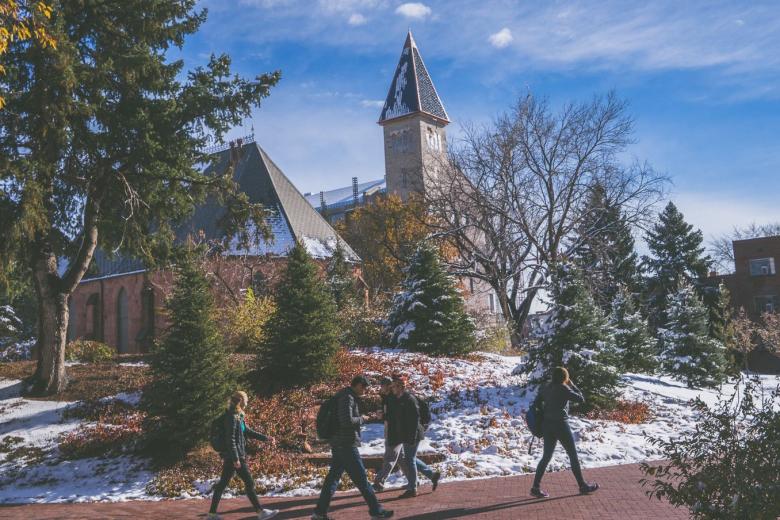
Our approach to sustainability leans on integrating students' curricular work with their co-curricular work. Students can choose a sustainability-focused major, minor, concentration, or certificate program offered at our various schools and college and pair that with work they do in internships, student clubs, campus jobs, and independent study opportunities. Whether you're interested in sustainability in international business or want to research the next wave of technology that will improve the health of our ecosystems, we offer a plethora of ways to learn about advancing sustainability initiatives.
Explore Sustainability Education
38% reduction in greenhouse gas emissions since 2006
690K KWH reduction in electricity usage per year over a 12-year period
100% electricity use that will be offset by solar by 2027

Get Involved
Our sustainability programs are built on the interest, passions and hard work of our students, staff and faculty. Learn how you can contribute to a sustainable, just and equitable future on campus and beyond.