





DU to launch new bachelor’s degree in biomedical engineering this fall
Drawing on the strengths of the PhD program, the new undergraduate major combines engineering, medicine, and real-world research experience.
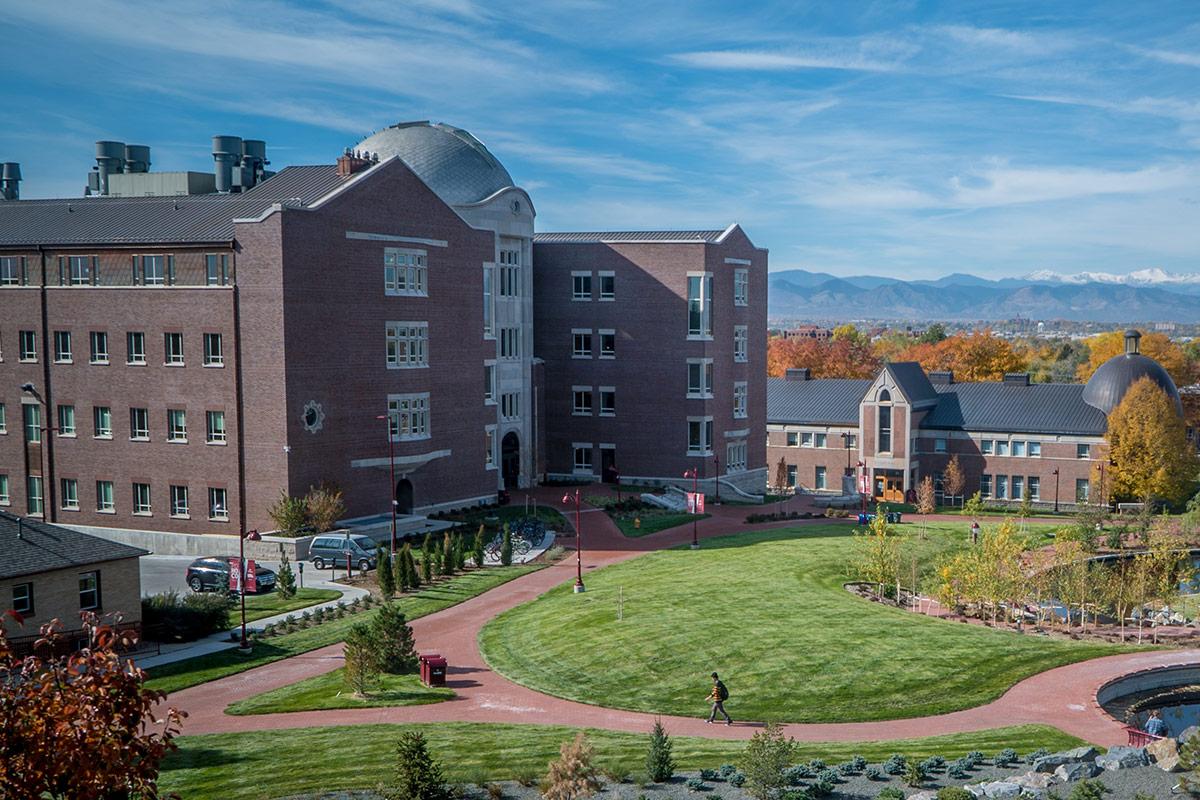
The University of Denver’s Ritchie School of Engineering and Computer Science will launch a Bachelor of Science in Biomedical Engineering in fall 2026. The new major, part of the DU Forward initiative, draws on the Ritchie School’s existing graduate program and is designed to prepare students for research, pre-health pathways, and careers in a range of fields.
“This exciting new degree program embodies the University of Denver’s commitment to offering leading-class education that is focused on outcomes,” says Provost and Executive Vice Chancellor Elizabeth G. Loboa. “DU is home to faculty experts who are passionate about preparing our students to become leaders in emerging and vital fields. I look forward to seeing how our graduates from this new program advance biomedical engineering, achieve their career goals, and assume leadership roles in emerging and established fields.”
The interdisciplinary program, which brings together faculty from the Mechanical Engineering and the Electrical and Computer Engineering departments within the Ritchie School, equips students with the skills they need to solve real-world problems.'
“It's really the intersection of engineering and medicine,” says Dean Michelle Sabick. “STEM-trained students can help support human health and well-being, and they can make a big impact on a greater number of patients by developing a new device or treatment.”
Breigh Roszelle, teaching professor and chair of the Department of Mechanical Engineering, says the new bachelor’s degree program leverages existing faculty research, expertise, and connections to provide undergraduates with a flexible on-ramp into a fast-growing field.
“We've had this strength in our research, and we realized that there is definitely an interest in an undergraduate program in this field,” Roszelle says. “We want students to be able to pick paths that fit them.”
Students in the biomedical engineering program can choose from a core BME track or a pre-med track, and they can pair their degree with minors in mechanical engineering, electrical engineering, computer science, or business.
Built on research and hands-on learning
Unlike many new undergraduate programs, DU’s biomedical engineering major will benefit from an established research infrastructure that includes a graduate program, faculty labs, and industry partnerships.
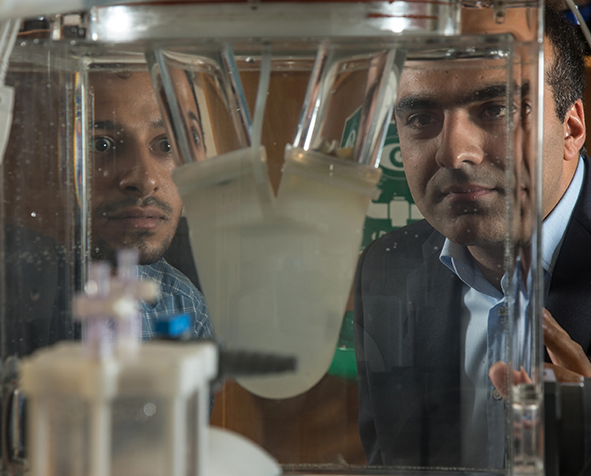
“The new program builds on this strong foundation and creates expanded opportunities for undergraduates to engage in research work, work closely with faculty and graduate students, and connect with a growing alumni network,” says Ali Azadani, professor of mechanical and materials engineering and director of DU’s Cardiovascular Biomechanics Lab.
Sangho Bok, professor of electrical and computer engineering, says the program is supported by a deep bench of biomedical-focused faculty across departments. With more than 20 faculty members actively involved in biomedical engineering research, he says, “We have lots of opportunities for students to gain real research experience.”
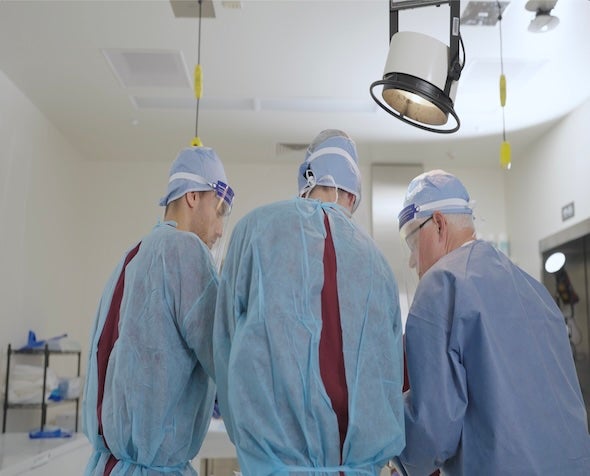
He adds that hands-on work is especially important in biomedical engineering, where students often work with living systems rather than inert materials.
According to Roszelle, the program is designed to balance technical theory with experiential learning. “All of our engineering students get a mix of hands-on and technical information,” she says. “Beyond the classroom, there will be biomedical engineering-specific labs, project-based learning, and working with industry partners.”
Faculty working across a wide range of research areas will support the program. In addition to Azadani, who leads work in cardiovascular biomechanics; Bok, whose work focuses on biosensors; and Roszelle, an expert in biofluid mechanics, other faculty from DU’s Center for Orthopaedic Biomechanics—Casey Meyers, Chad Clary, Peter Laz, and Paul Rullkoetter—add expertise in joint replacement, knee biomechanics, and computational modeling. Program leadership also includes Dean Sabick and Rachel Horenstein, associate dean of community support and engagement.
Preparing students for what’s next
The multidisciplinary and customizable nature of the program allows students to prepare for a variety of careers and industries after graduation.
“Some students will pursue positions in the medical device and biotechnology industries, where our graduate-level alumni already work at leading companies,” Azadani says. “Others may choose to attend graduate school and conduct advanced research. Students in the pre-med track will also be well positioned to apply to medical school.”
Roszelle sees the degree as a way to broaden student participation in both engineering and science.
“Offering another engineering major opens engineering to more students,” she says. “And we hope that having an undergraduate program in biomedical engineering will get more students to be interested in STEM majors as a whole.”
The program is now recruiting students for its first undergraduate cohort, beginning in fall 2026. Prospective students are encouraged to learn more and apply through DU admissions.