






Ahead of Commencement, Graduate Students Reflect on Growth and Impact
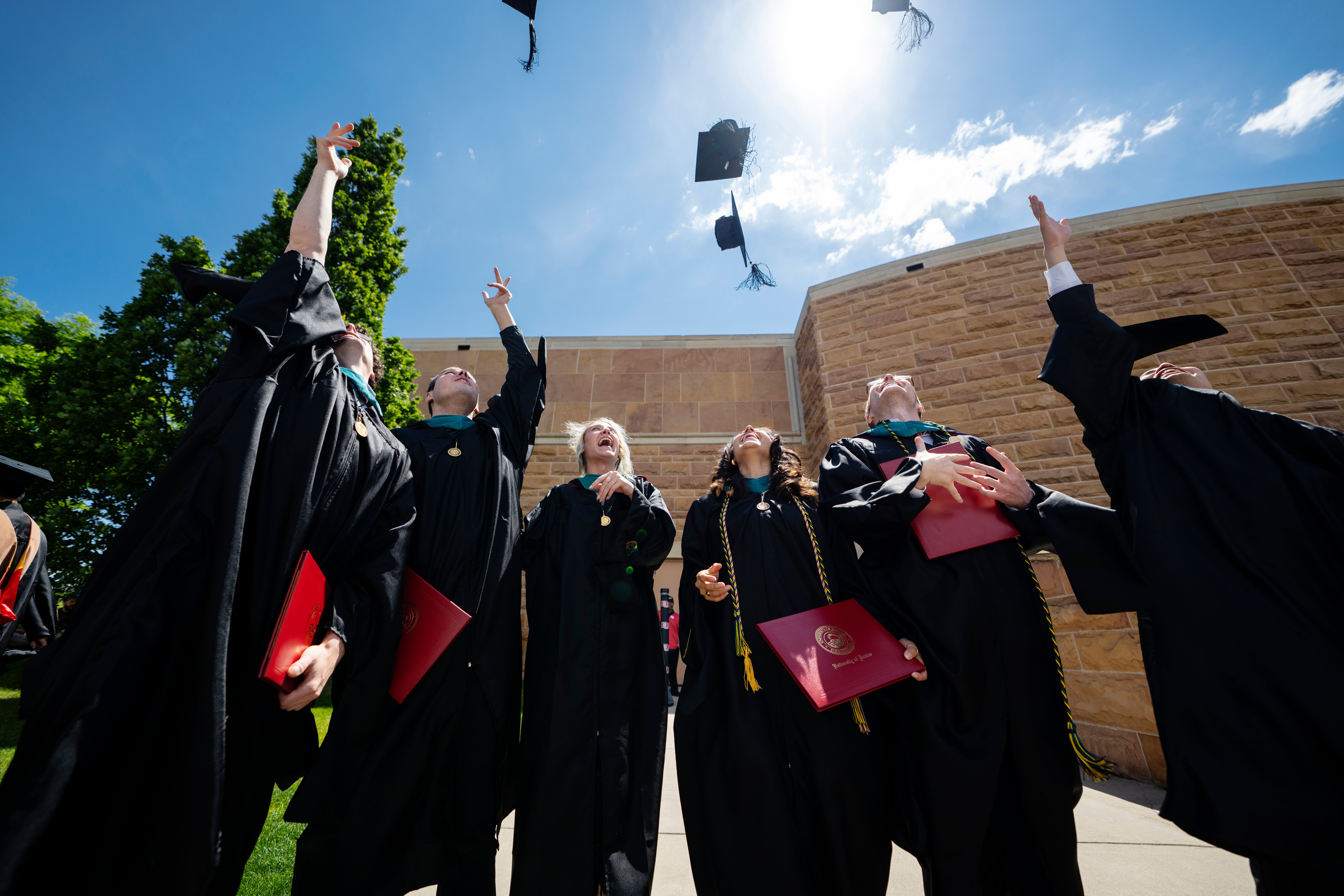
As the University of Denver celebrates its graduate students on June 12, five students look back on the experiences, lessons, and ambitions that shaped their time at DU—and the impact they hope to have in the future.
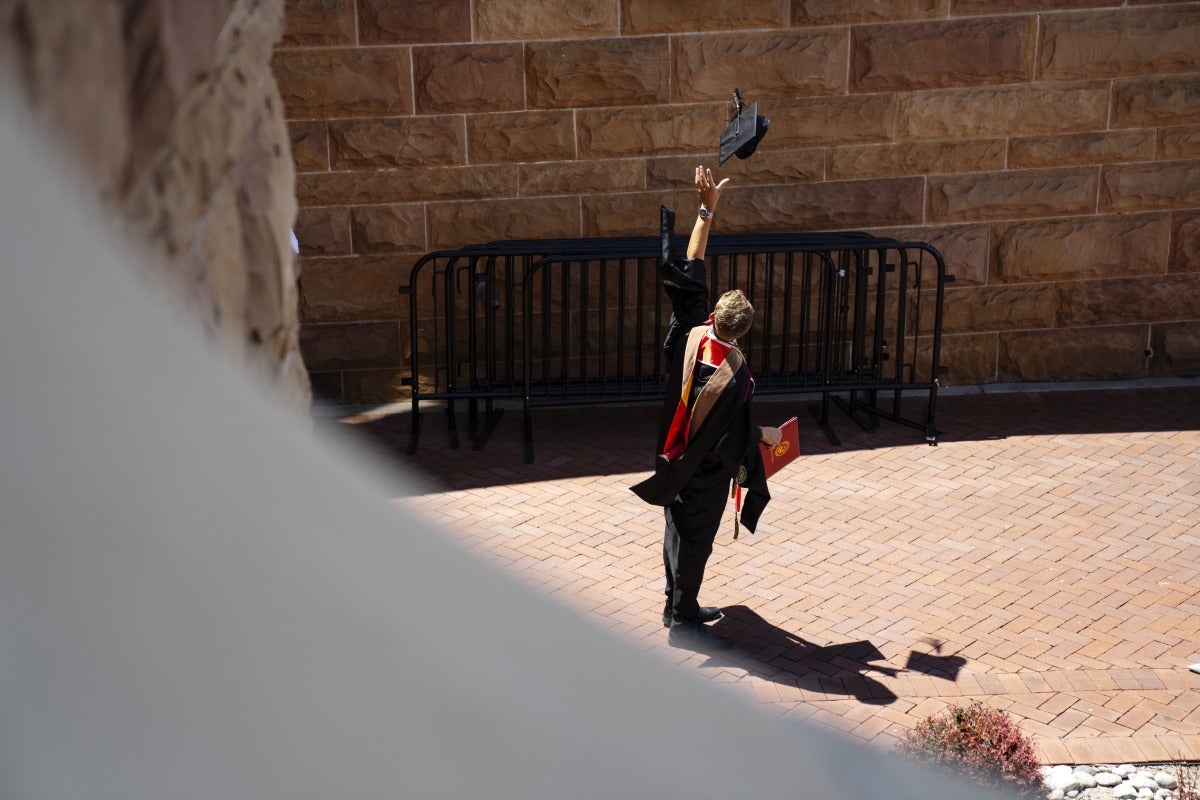
This Friday, University of Denver graduate students will cross the Commencement stage in Magness Arena, marking the culmination of years of hard work, growth, and discovery. Their journeys have taken them from military service and internships abroad to taking on-campus leadership roles and tackling complex global challenges.
We spoke with five members of the Class of 2026 about why they chose DU, the lessons they’ll carry forward, and the difference they hope to make in their careers and communities. Their stories reflect the curiosity, resilience, and sense of purpose that define this year’s graduating class.
Nancy Idehen: A Broader Worldview
Major: Global Economic Affairs (and a certificate in Public Policy Analysis)
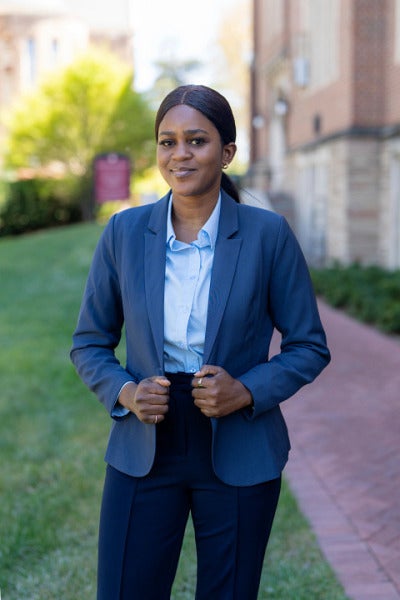
Why did you choose DU? One of the deciding factors was the broad range of programs offered by the Josef Korbel School of Global and Public Affairs. I was interested in public policy analysis and economics, and Korbel has strengths in both. Colorado also played a huge role—seeing the Rocky Mountains and the beauty of the campus made me feel like this was a wonderful place to study.
How will you use what you've learned? The person I was when I came to the U.S. two and a half years ago [from Nigeria] is not the same person standing here today. My time at DU has expanded my horizons and opened my mind—both in how I see the world and how I interact with people from different cultures. I feel like my thinking and my character have truly been transformed. I’m deeply grateful for the experience and know these lessons will continue shaping me as I move into the workforce.
What impact do you hope to have? I’m hoping to pursue a position in asset and wealth management, policy analysis, or another role that aligns with my skills and offers opportunities to grow and learn. But I’m also passionate about the lives and experiences of young professionals because I see myself in that journey. Through the Young Professionals Network that I run with friends, I want to create spaces where young people can find guidance, direction, and community as they navigate life and work. I’m also deeply interested in economic inequality, especially as it affects women and marginalized communities—and I hope to help build a more equitable society by championing policies and representing the voices of people who often don’t have a seat at the table.
What was the most rewarding part of grad school? One of the most rewarding aspects of this journey has been moving to Colorado. I see travel as a form of education, and moving across an ocean without family or anyone I knew was a huge leap. It’s given me the chance to connect with people from around the world, experience different cultures and perspectives, and grow in ways I never anticipated.
What's one lesson you're taking away? One of the biggest lessons I learned at DU is the importance of staying open-minded and listening to understand. Through difficult conversations and dialogue initiatives on campus, I came to appreciate that every perspective is shaped by its own history and context.
Florian Weinzierl: Open to Opportunities
Major: Business Administration with a concentration in Finance
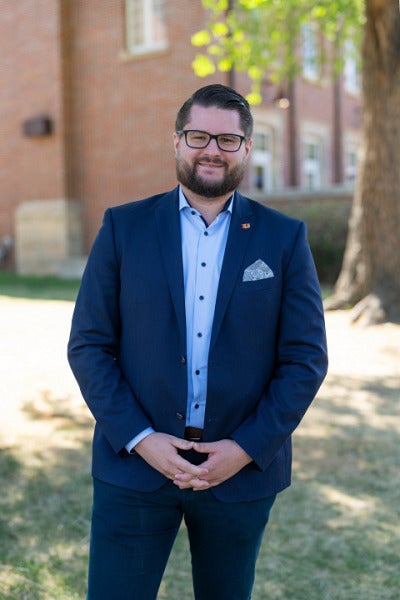
Why did you choose DU? Since I was a teenager in Germany, I’ve wanted to study in the U.S. I’m also a big hockey guy, so I knew about DU’s hockey program. The mountains near the city are similar to home, and there’s a direct flight between Denver and Munich, which is helpful. I talked to alumni and people in Daniels [College of Business], and the program sounded outstanding. When I landed here in August 2024, it was my first time in the U.S. It’s been a great choice.
How will you use what you've learned? I’ve learned many things beyond academics—how to treat people, how to use soft skills, how to handle situations. I think I grew a lot living on my own, too. People are always there to help—it’s really a community here. I’ve learned to be open for anything, and the skills I’ve learned will be transferable in whatever I do.
What impact do you hope to have? I want to stay in the U.S. and get a job here, but the job market is not good, so I may have to go back home—which is good, too, because my family is there. My passion is sports, so that’s the industry where I see myself. I’m also open to positions in finance, consulting, or project management, or maybe to starting my own company.
What was the most rewarding part of grad school? One of the most rewarding parts of grad school has been having opportunities to make a difference. When I realized there wasn’t an international student club at Daniels, I worked with two other students to start one. I also applied for Graduate Student Government and now serve as vice president. Both experiences have given me a chance to connect with university leadership, share ideas, and speak up about things that could be improved. I’ve learned that if you want to see change, you have to step up and be willing to have those conversations.
What's one lesson you're taking away? I’ve learned to be more transparent and more open. I learned the importance of just talking to people and taking chances, getting out of my comfort zone. If you want something, then just ask. If you don’t ask, you never receive an answer.
Kadidiatou Mampoya: Confidence and Connection
Majors: International Studies
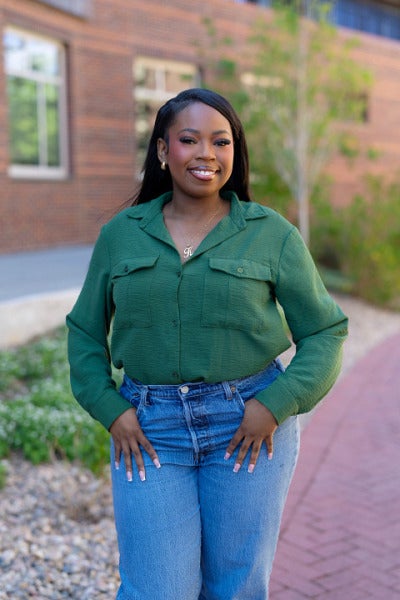
Why did you choose DU? Being from Colorado, I heard all the great things about DU growing up. Ultimately, I chose DU because of its strong foundation and deep connections to Denver and the state. I wanted the networking opportunities it offers, and I was also fascinated by DU’s impact on the local economy, especially through Korbel.
How will you use what you've learned? I think the biggest thing I’ll take away from DU is the foundational and career skills I’ve developed here. I’ve learned how to communicate and interact with people at a higher level, and I’ve gained a better understanding of what it takes to succeed in a career. DU doesn’t just teach you how to exist in the real world—it helps you learn how to succeed in it.
What impact do you hope to have? I hope to encourage people to keep learning and growing. Higher education is important, and I want others to know that learning doesn’t stop with an undergraduate degree—it can continue through graduate school and beyond. I also want to stay connected to the communities that have poured into me and give back in meaningful ways, while encouraging others to invest in themselves and their own growth.
What was the most rewarding part of grad school? One of the most rewarding aspects of pursuing an advanced degree has been gaining confidence in how I communicate and connect with people. When I started graduate school, I was shy, nervous, and unsure how to network. At DU, learning how to build relationships and communicate with others was a major focus, and it’s a skill I’ll carry with me throughout my career.
What's one lesson you're taking away? Don’t be shy. Don’t stay in a bubble. You have to expand your network as much as you can; otherwise, you won’t grow. I decided to get involved with Graduate Student Government because I wanted to find some type of community on campus. I first served as GSG’s director of inclusive excellence, which gave me a chance to learn more about the University and meet students, faculty, and staff—and that inspired me to run for GSG president the following year. That’s when I really found my footing at DU.
Rachel Wright-Luna: Answering the Call
Major: Forensic Psychology
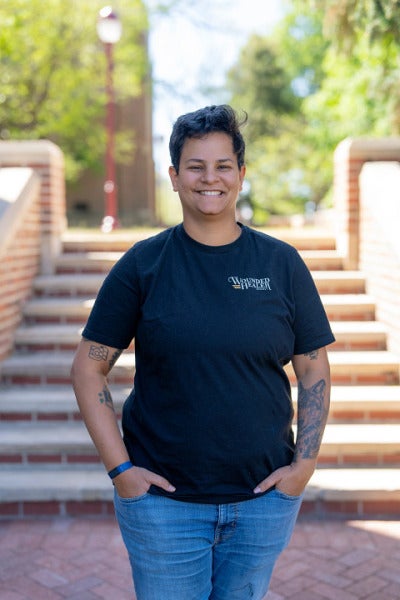
Why did you choose DU? I previously served in the Marine Corps, and I saw a lot of the mental health issues while in the service and out. So, I decided to pursue psychology, because I can relate to these issues and want to help others heal. One of the reasons I chose DU’s program was my interest in working with Professor Kim Gorgens, who does fantastic work with brain injury screenings.
How will you use what you've learned? I’ve gotten more open to meeting new people. I came in as a veteran, older than everyone else and not feeling like I belonged, but I’ve met a lot of really good people and made lifelong friends.
What impact do you hope to have? I always like to say, if I can help at least one person, then I’ve made an impact. If I can help one veteran work through whatever they’re going through, then everything’s been worth it.
What was the most rewarding part of grad school? Pursuing an advanced degree has given me the ability to do more—to help the veteran community and support other people in meaningful ways. One highlight for me has been being able to conduct screenings and work directly with veterans. Through my practicum, the Wounded Healer program, I also get to meet veterans where they are, which has been a really valuable experience. Those opportunities have shown me the impact I can have through this work, and I wouldn’t be able to do them without the advanced degree.
What's one lesson you're taking away? I think one of the biggest lessons I’ve learned is humility. I used to be the youngest person in my friend group, and now I’m often one of the oldest people in the classroom. One of the things I’ve enjoyed most is being able to share knowledge and perspective with classmates while learning from them in return.
Kevin Kappes: Curiosity in Action
Major: Global Economic Affairs (and a certificate in Global Corporate Social Responsibility)
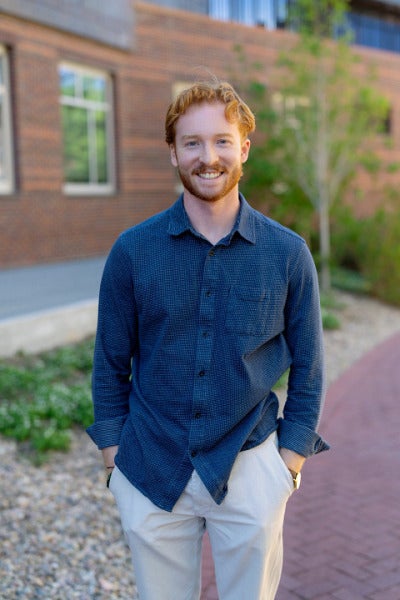
Why did you choose DU? I came to DU in 2020 for my undergraduate degree, double majoring in economics and international studies. When I learned about the JumpStart program, it felt like the perfect way to combine those interests through a master’s in global economic affairs. When I was looking at schools, DU’s quarter system stood out—there aren’t many schools where you can try so many different things. I also loved DU’s size—not too big, not too small—along with the academic rigor, strong school spirit, and vibrant community that makes it easy to get involved.
How will you use what you've learned? Being a student in Korbel has taught me how to think about and engage with complicated issues, and it has connected me with people with different perspectives. The intellectual curiosity and critical thinking skills I developed here will stay with me throughout my career.
What impact do you hope to have? I studied Brazil's trade relationship with China as an undergraduate and two years later was able to complete a seven-month internship in Rio de Janeiro, which made me realize I wanted to build a career at the intersection of the global economy and human stories. As I return to Brazil to help a technology company expand across South America, I hope to have an impact by showing that growth and innovation can go hand in hand with strong values around privacy, data protection, and advocacy for the people a business serves.
What was the most rewarding part of grad school? The most rewarding part has been seeing plans come to fruition. My internship in Brazil is a great example—I had a vision for what I wanted to do and gain from the experience, and the Korbel network helped me clarify that vision and make it happen. It didn't unfold exactly as I expected, but it opened up new possibilities and job prospects, which is what I had hoped for. There's a real sense of satisfaction knowing I had the right people in my corner and that the experience led exactly where it needed to.
What's one lesson you're taking away? One lesson I'll take away is that there's no one path and no one standard. Grad school has a way of humbling you—it reminds you how much there is to learn. But being surrounded by people from different backgrounds and stages of life showed me that everyone brings valuable experience and perspective to the table. No matter where you go, there's something to learn from every person if you stay open to it.