



Students Find Adventure, Growth on Interterm Trips
With the launch of a new interterm travel course to Antarctica, DU students can now get the 4D Experience on all seven continents between quarters.
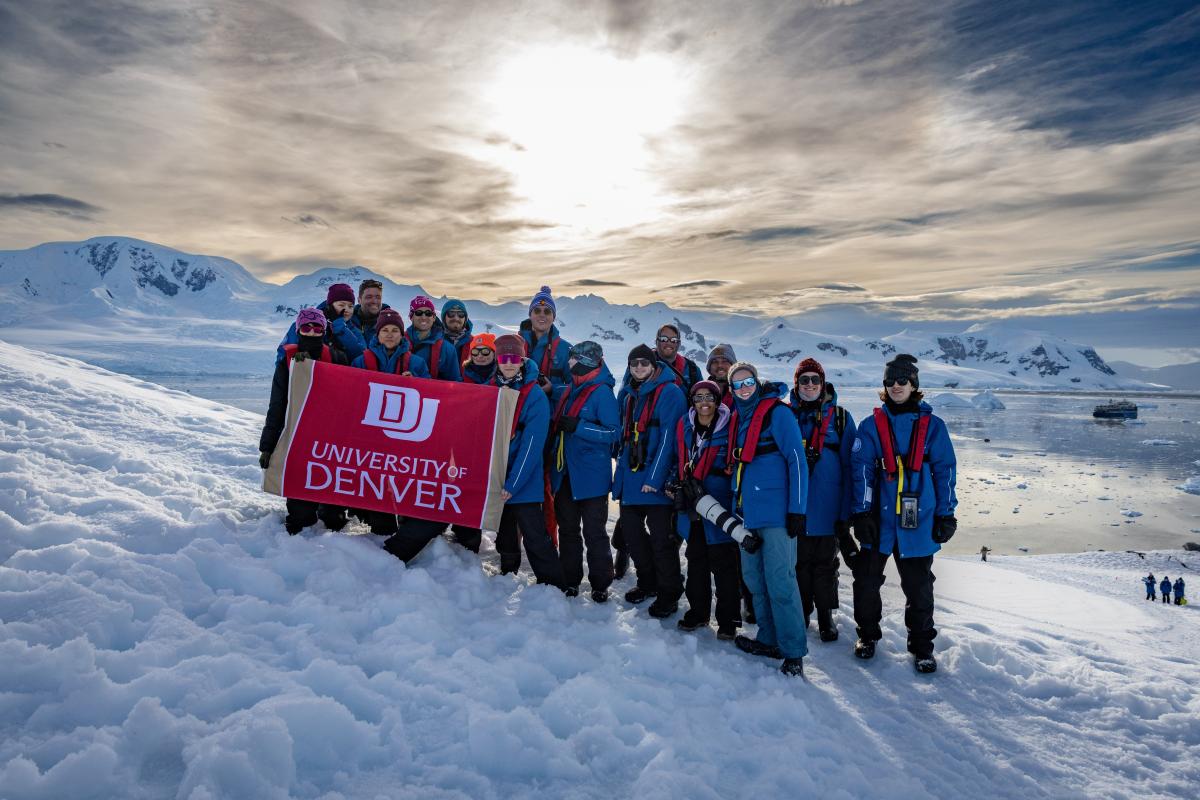
Students huddle for a group photo on the Antarctic Peninsula by Neko Harbor. Photo courtesy of Tammy MacKenzie.
Winter interterm is a popular time for DU students to squeeze in some international travel—and now, they can do so on all seven continents, following the launch of a new travel course to Antarctica by the Department of Geography and the Environment in the College of Natural Sciences and Mathematics.
Sam Proud, a third-year environmental science student who took that inaugural course, was thrilled when he arrived in Antarctica’s Neko Harbor aboard the Ocean Victory expedition ship last December. From the deck, he and his classmates snapped pictures of crystal-clear waters, stunning icebergs, and even a few whales.
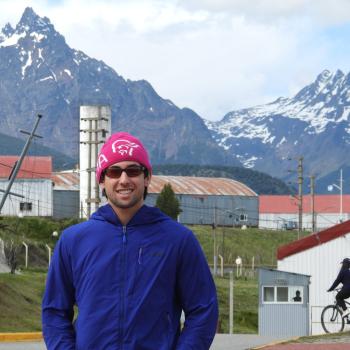
“I was taking a picture of anything that moved at that point,” Proud says with a laugh. “It’s hard not to want to immortalize some of the things that I was seeing.”
More than 70% of DU’s undergraduate students study abroad. Third-year students often do so in their fall term through the Office of International Education, but University Academic Programs also offers intensive, short-term travel courses led by DU professors during the winter, spring, and summer interterms. Proud and his classmates earned four credits for their 15-day expedition to Antarctica.
“This one in particular was on my bucket list,” says Erika Trigoso Rubio, teaching professor and director of the undergraduate geography program, who led the trip. “You could talk about climate change. You could talk about geography. You could talk about international issues such as the Antarctic Treaty. You could talk about land ecosystems and marine ecosystems. So, it was an amazing, very complete destination.”
To get to Antarctica, one must cross the stormy Drake Passage. Luckily, the Ocean Victory saw mostly smooth sailing to Antarctica, and Trigoso planned lessons along the way. Students met researchers at Palmer Station, a year-round research station operated by the U.S. They also learned about ozone issues at Ukraine’s Vernadsky Station (formerly the U.K.’s Faraday Station), where the ozone hole was first discovered in 1985.
“These researchers are super dedicated [to their work],” says Proud. “It was incredible to see how they live there and what that’s like.”
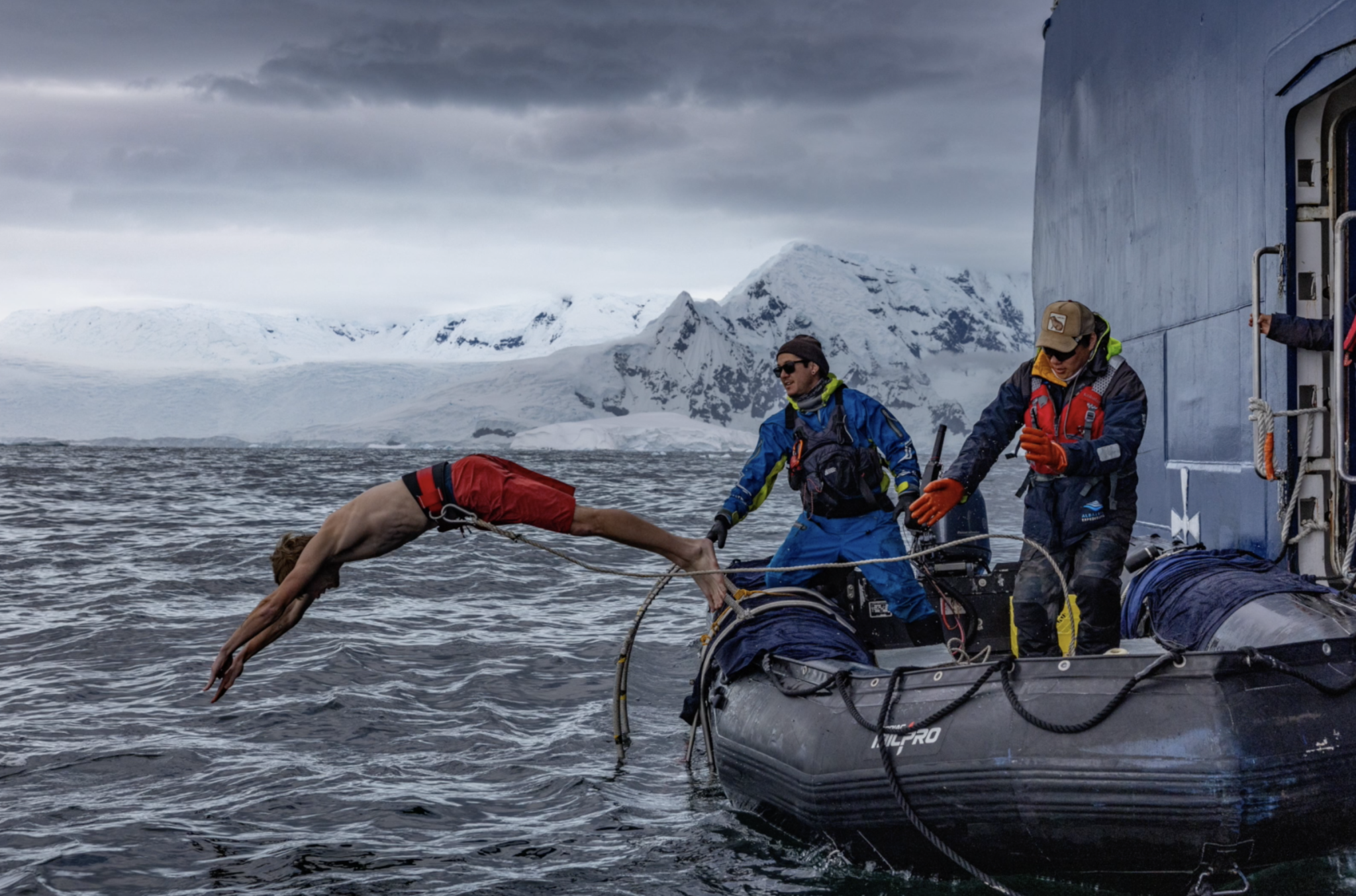
There was also fun to be had: Students saw multiple types of penguins and seals, and everyone dove into the Antarctic waters for, presumably, the coldest cold plunge of their lives. For Proud, the highlight was Neko Harbor and the Antarctic Peninsula. He submitted a photo of a whale to the whale-tracking database Happywhale.com—and to everyone’s surprise, that specific whale hadn’t been seen in more than 15 years. Proud even got to choose its name. His choice? “Wicked Proud.”
“Antarctica always was one of those pipe dream places to visit, at least to us here in North America,” says Proud. “From day one, it seemed almost too good to be true.”
Trigoso plans to continue the Antarctica course on a biennial basis, with the next expedition planned for the 2027 winter interterm.
Learning in action
Students in the Korbel School of Global and Public Affairs and the Daniels College of Business also had interterm adventures this winter, getting a chance to see their lessons in action, practice skills in the field, and envision their future careers.
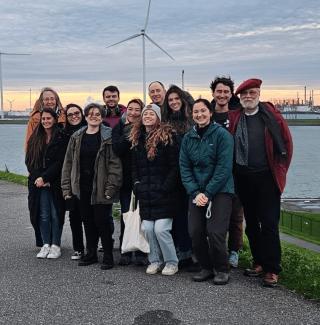
Maddison Schink, an international studies graduate student, spent nearly two weeks in the Netherlands, observing how cities there mitigate flooding caused by climate change. From Amsterdam to The Hague, Schink’s class toured dikes and storm surge barriers and spoke with engineers about the importance of collaboration.
“Infrastructure alone is not enough,” wrote Schink after the trip. “The Dutch meaningfully involve the public in building community resilience and co-creating policies that will more equitably serve the Dutch people across rural and urban landscapes.”
Daniels hosted several opportunities for students to visit prominent businesses around the globe. Chris Caldwell, a fourth-year real estate student, toured multiple development companies in South Africa and the United Arab Emirates, and he collaborated on a project with students at the University of KwaZulu-Natal.
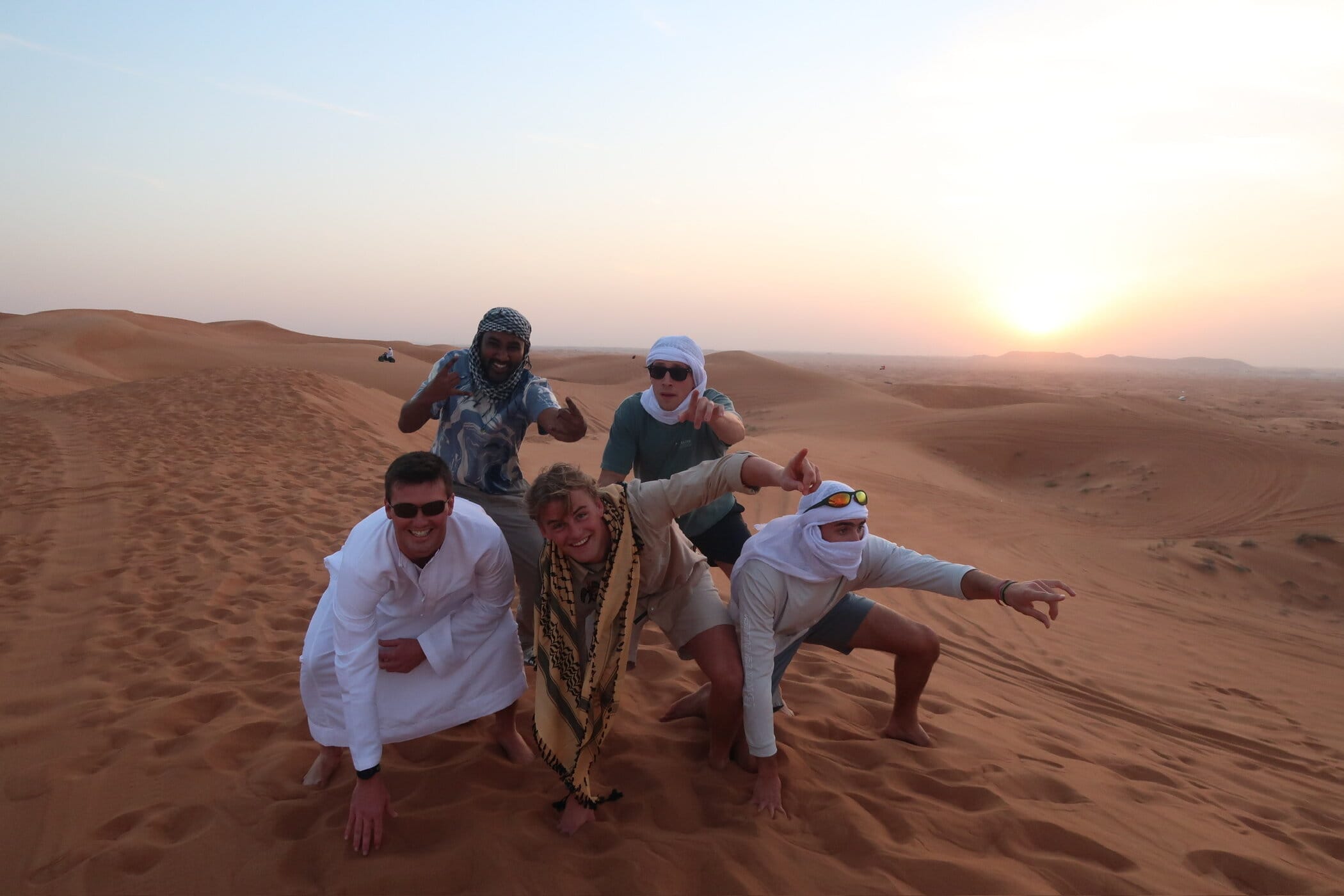
“My biggest takeaway wasn’t how different we are, but how similar,” said Caldwell. “Across cultures, we’re still driven by the same goals: learning, improving, and building toward something that matters.”
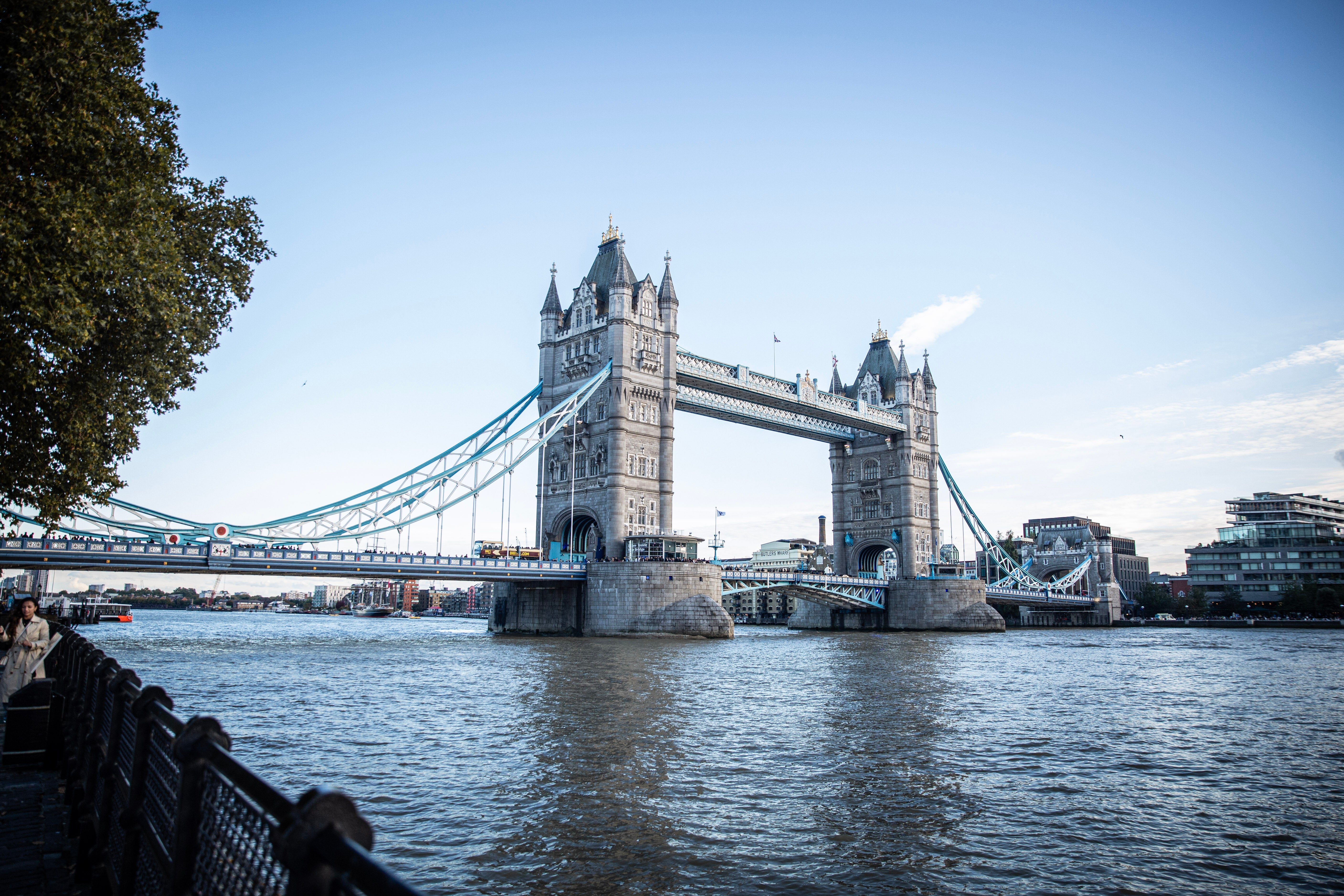
In London, accounting students got a glimpse of life abroad. Fourth-year student Tenley Leonard said students took classes on workplace differences in the U.K. and the U.S., and they observed the contrast at multiple accounting, legal, and financial firms.
“These experiences added depth to my understanding of living abroad and how it could fit into my professional future,” she said. “Observing the differences in work culture and professional expectations was especially eye-opening and encouraged me to think more broadly about potential career paths.”
Spring and summer trips
Spring interterm is just around the corner at the end of March, and geography students at NSM will be hitting the beaches of Nicaragua to study the science and cultural history of surfing. Trigoso is also leading a trip to New Orleans, exploring how geography and history shaped the city.
Registration for summer session is well underway. This summer, students can brush up on their art history in Nepal, try nature writing in Finland, and learn about conservation efforts in Australia. Students can apply for interterm travel courses through University Academic Programs and DU Passport, where seats are filled on a first-come, first-served basis.
Applications for scholarship funding are available on DU Passport for the winter and spring interterms. During the summer session, financial aid is available to help students cover their tuition and travel expenses. You can find more information about interterm travel courses here.