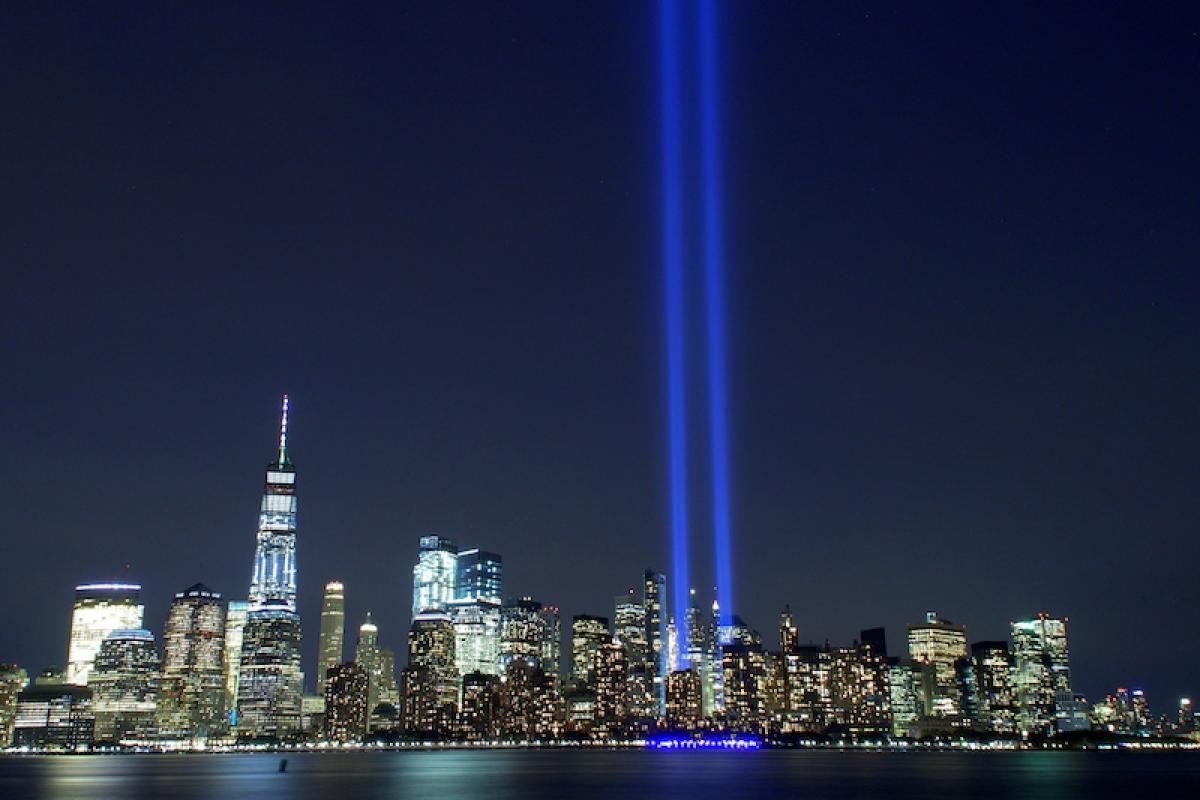
As the United States marks 25 years since the deadliest terror attack in history, DU professor and homeland security expert David Goldfischer talks about its lasting impacts on international security.
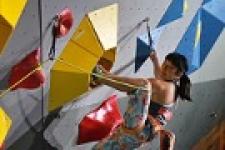
It’s practice, and I’ve got an athlete on the wall trying to puzzle out a movement they can make to unlock this particular climb (spoiler alert, it’s slide the right foot up). They keep trying to move their left hand. It’s not working. They’re getting tired, angry even. As their coach, I’m dying. Every part of me wants to yell, “right foot!” I want to relieve them of their frustration. I want to teach them the right way. So, I do. They finish the move, power their way up the rest of the climb, and come over for a palm-stinging high-five. They feel like a good athlete, and I feel like a good coach.
It’s practice, and I’ve got an athlete on the wall trying to puzzle out a movement they can make to unlock this particular climb (spoiler alert, it’s slide the right foot up). They keep trying to move their left hand. It’s not working. They’re getting tired, angry even. As their coach, I’m dying. Every part of me wants to yell, “right foot!” I want to relieve them of their frustration. I want to teach them the right way. So, I do. They finish the move, power their way up the rest of the climb, and come over for a palm-stinging high-five. They feel like a good athlete, and I feel like a good coach.
It’s practice, and I’ve got an athlete on the wall trying to puzzle out a movement they can make to unlock this particular climb (spoiler alert, it’s slide the right foot up). They keep trying to move their left hand. It’s not working. They’re getting tired, angry even. As their coach, I’m dying. Every part of me wants to yell, “right foot!” I want to relieve them of their frustration. I want to teach them the right way. So, I do. They finish the move, power their way up the rest of the climb, and come over for a palm-stinging high-five. They feel like a good athlete, and I feel like a good coach.
It’s practice, and I’ve got an athlete on the wall trying to puzzle out a movement they can make to unlock this particular climb (spoiler alert, it’s slide the right foot up). They keep trying to move their left hand. It’s not working. They’re getting tired, angry even. As their coach, I’m dying. Every part of me wants to yell, “right foot!” I want to relieve them of their frustration. I want to teach them the right way. So, I do. They finish the move, power their way up the rest of the climb, and come over for a palm-stinging high-five. They feel like a good athlete, and I feel like a good coach.
It’s practice, and I’ve got an athlete on the wall trying to puzzle out a movement they can make to unlock this particular climb (spoiler alert, it’s slide the right foot up). They keep trying to move their left hand. It’s not working. They’re getting tired, angry even. As their coach, I’m dying. Every part of me wants to yell, “right foot!” I want to relieve them of their frustration. I want to teach them the right way. So, I do. They finish the move, power their way up the rest of the climb, and come over for a palm-stinging high-five. They feel like a good athlete, and I feel like a good coach.
It’s practice, and I’ve got an athlete on the wall trying to puzzle out a movement they can make to unlock this particular climb (spoiler alert, it’s slide the right foot up). They keep trying to move their left hand. It’s not working. They’re getting tired, angry even. As their coach, I’m dying. Every part of me wants to yell, “right foot!” I want to relieve them of their frustration. I want to teach them the right way. So, I do. They finish the move, power their way up the rest of the climb, and come over for a palm-stinging high-five. They feel like a good athlete, and I feel like a good coach.